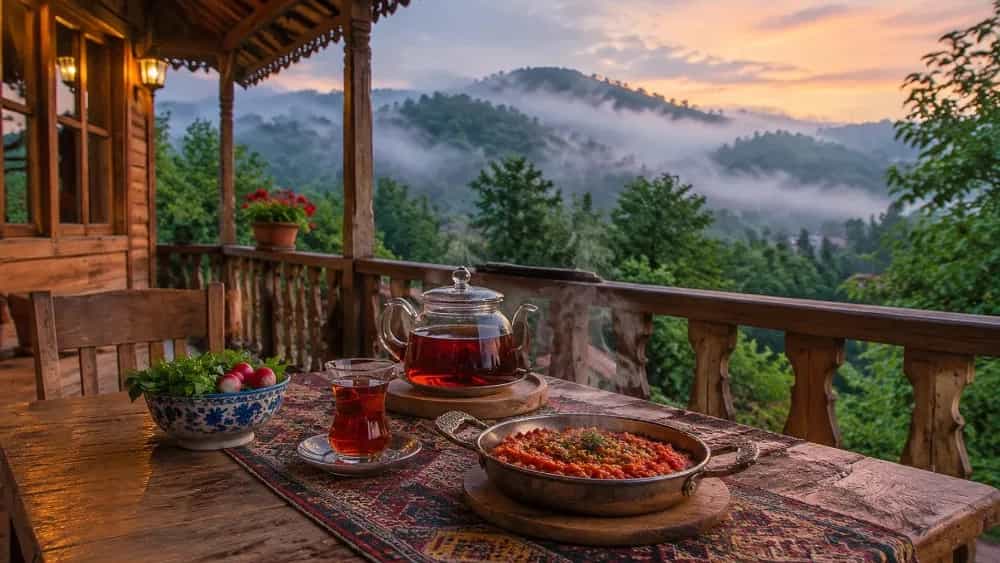
Yona eco-tourism complex in Gilan province is a residence based on the model of native architecture and rural life, which provides accommodation for travelers in well-equipped traditional huts, in the vicinity of rice fields and Hyrkan forests. By eliminating the excesses of urban residences, this collection has focused on providing authentic Gilani food with organic raw materials and creating a direct experience of the lifestyle of the north of the country. Easy access by road, unparalleled environmental silence and reasonable distance to the natural attractions of the region have made Yuna a standard choice for those interested in responsible nature tourism.
In the trips to the northern part of the country in recent years, the drastic drop in the quality of standard hotel services and the prevalence of heterogeneous concrete constructions with the texture of the forest have disappointed many travelers. In the field experience of staying in Gilan, the main difference between an authentic ecotourism and ordinary rental villas lies in the sense of aliveness of the space. Yona Eco-tourism complex was built based on this necessity, in addition to maintaining the old housing structure of Gilan, it also covers health and personal comfort standards flawlessly.
the architectural identity of Yuna eco-tourism complex; Maintaining the authenticity of wood and straw
The pattern of construction of residential units in Yuna complex is based on the ancient patterns of Gilan, i.e. wooden structures with wide peripheral porches (known as Telar). This style of design is not just a decorative element, but it is responsible for the direct function of natural air ventilation on rainy days. Strong wooden columns, native turned railings and standard pitch of traditional clay or tin roofs protect the residence from the humidity and torrential rains of the region.
In practice, it has been observed that many newly established residences use modern materials such as cement blocks with a straw cover to reduce construction costs. This method traps moisture and unpleasant odors inside the rooms. However, in Yuna's ecology, materials compatible with the climate have been used; Walls with natural insulation that stay cool in the summer and turn the sleeping space into a safe and damp-free environment by directing the heat of heaters and traditional heating systems in the winter.
Internal design features of the units
The interior of the units is a smart combination of tradition and modern comfort. The use of hand-embroidered cotton beds, wicker mats woven with wetland plants, along with ergonomic beds, private toilets and a clean private bathroom in each unit, has completely solved the concerns of families and travelers who are sensitive to cleanliness. The wide windows facing the green yard direct natural light in during the day, and there is no need for artificial light.
Experience clean eating and local cuisine at Yuna Residence
Unlike roadside restaurants that destroy the originality of food with industrial oils and thick flavorings, Yuna's local kitchen works with the traditional cooking method and on clay dishes known as Gamaj. Cooking slow-cooked dishes such as Fasanjan with wild and sour pomegranate paste, Bagalaqatouq, Sour Kebab and original smoked Mirzakasami is a part of the everyday identity of this residence, which connects the traveler's taste with the UNESCO-registered food culture of Gilan.
Special breakfast program
Breakfast in Yuna is more than industrial bread and cheese. Local breads such as Khalafah (Keshta bread) and Kalach bread, which are baked early in the morning on a clay pan with rice flour and pumpkin puree, are served alongside homemade spring orange, wild raspberry and shaghaqel jams to start the day perfectly in line with the mood of rural life.
Examining the location of access and connection to tourist highways in Gilan
One of the common problems of forest eco-tourist accommodation is the impassable, dirt, rocky and dangerous side roads that damage passenger cars. The geographical location of Yuna eco-tourism complex has been chosen in such a way that there is a perfect balance between distance from urban congestion and ease of access. The road leading to the residence has high-quality asphalt and in all seasons of the year, even during heavy autumn rains, it is possible to drive all kinds of vehicles without slipping.
Being in this strategic position minimizes the time wasted in traffic entering the cities. After settling in, travelers can reach the most prominent nature tourism centers of the province, such as elevated villas, protected forest areas, permanent waterfalls and marshes, in a short time of 30 to 50 minutes. while in the evening they return to the absolute solitude and peace of the ecotourism to rest.
Program of activities and field experiences inside the residence
Staying in Yuna Ecotourism is not limited to sitting in the room and sleeping. The wide area of the complex with an open yard, native alder, walnut and citrus trees, provides a space for free movement for children and peace of mind for adults. In this complex, several infrastructures have been prepared for concrete experience of rural work and activity.
Travelers can closely observe the traditional way of planting and threshing rice during the planting and harvesting season of paddy fields (from May to August). Picking forest vegetables with the local guide of the lodge, spending the night around the standard open-air fire pit with the aroma of fire tea, and the possibility of safe walking on the well-maintained paths connected to the forest, break the daily routine of the trip. In the monitoring of travelers' behavior, it has been shown that such active experiences are more effective than any other hotel amenities in brand name retention and word-of-mouth recommendations.
Functional and economic comparison: Yuna tourism against Darbast villas
Many tourists hesitate between booking a private villa in Derbast and staying in an ecological complex when planning their trip. Empirical analysis of multiple stays reveals that gated villas often lack continuous security, immediate support services, and standard daily cleaning. On the other hand, the Yona ecotourism complex ensures the personal and vehicle security of the passenger with the constant presence of local management and staff.
Economically, the fee paid in Yuna tourism is transparent and efficient. In Darbast villas, the traveler has to pay extra expenses such as buying drinking water, spending a long time for cooking, personal cleaning of the villa and preparing various tools. In Yuna, the service package includes clean accommodation, standard food at approved and fair prices, and local support, making the trip more economical and safer for families and groups of friends.
Table of technical and welfare specifications of Yona Ecotourism Complex
Evaluation Index | Situation in Yuna Ecotourism | Standards of common private villas |
|---|---|---|
Construction style and Materials | Gilan traditional wood with standard waterproofing | Concrete and brick, modern plastering without waterproofing |
Toilet and bathroom | Independent for each unit with dedicated ventilation | Shared or variable according to the owner's taste |
Heating and cooling system | Wall split, Gas heater, winter seat | Generally splitless heater or old window coolers |
Food supply chain | Traditional in-house restaurant with daily ingredients Rural | needs to cook for passengers or go to outside restaurants |
security and supervision | dedicated parking, janitor and resident personnel | Lack of a resident guard in most suburban villas |
Road access condition | Asphalt access suitable for all types of cars | Earth sections, Steep and muddy slope in the rain |